
How to open a yoga studio that actually turns a profit
Learn how to open a yoga studio with practical steps on setup, costs, marketing, and monetization. See how Scrile can help you launch a branded product.


Bright modern yoga studio interior with mats and natural light, showing the kind of space a profitable yoga studio...
Quick answer
If your first move is a lease, slow down. How to open a yoga studio starts with a model decision: dedicated studio, shared space, or no fixed studio at all. The smallest workable setup usually wins the first 90 days because it lets you test class times, audience fit, and room requirements before fixed costs trap you. If you only want a generic startup checklist, this page is not that. It is the decision path that shows where yoga studios break, and how to choose the version that can actually survive.
Why yoga studios fail before they look busy
A yoga studio can look healthy and still be losing money. The usual reason is not bad teaching. It is a mismatch between room, schedule, and audience that shows up slowly and then becomes permanent cost.
Fixed cost is the trap. A lease can lock you into 12 to 60 months of rent, utilities, and insurance before you know whether local students will build a habit. A weak schedule can leave 30% to 50% of class capacity unused in the first quarter, which means the studio feels active while the cash flow stays thin.
That is why “research your market” is too vague to be useful. The real question is whether people near your location will travel for this kind of class, at these hours, into this kind of room. If the answer is not clear, the launch model is still too expensive.
Yoga also has a different space logic than a gym. You need quiet, mat-friendly flooring, storage for props, simple room turnover, and class timing that fits real routines rather than founder optimism. A cheap-looking shell can become the most expensive place in the market if it forces constant repairs, awkward room flow, or low attendance.
For a wider comparison with the broader fitness launch problem, the sister guide on how much does it cost to open a gym shows how equipment-heavy launch math differs from a yoga setup. Use that after you understand the yoga-specific model choice here.

The first mistake is choosing the room before the model
Founders often visit a space, fall in love with it, and only then ask whether the business can support it. That order is backwards. A dedicated studio, a shared room, and an onsite teaching model each carry different cash needs, contract risk, and control over the schedule.
Choose the model first, because the wrong one can add 15% to 35% to launch cost without adding demand. Build-out, signage, storage, insurance, and permit costs usually show up after the excitement, when the budget is already committed.
What yoga needs that a general fitness room can ignore
A gym can tolerate visual noise. A yoga room usually cannot. Thin walls, bad acoustics, and a long corridor can ruin slower classes, relaxation work, and the feeling that students came there to reset.
Storage is another hidden cost. If props sit in the teaching area, every class starts with setup and ends with cleanup. That can steal 10 to 15 minutes from each session and quietly remove one usable class slot from the day.
If you plan to extend the studio into live or recorded teaching later, keep that option in mind now. The white label fitness products guide explains when a branded digital layer makes sense after the room is already working.
Choose the right launch model for a yoga studio
The real question is not whether yoga can become a business. It is which version of the business can survive the first 90 days with the least fixed risk.
That question matters even more if you are building a niche offer. Some studios will eventually combine in-person classes with recordings, private coaching, or online subscriptions. Others should stay lean and delay the digital layer until the physical offer is stable.
| Launch model | Best fit | Break point | Cost signal | Risk layer |
|---|---|---|---|---|
| Dedicated studio | Local demand is repeatable and the audience already understands the concept | Rent is high, foot traffic is weak, or class times are untested | Highest fixed cost: lease, build-out, utilities, insurance | Lease terms, occupancy rules, personal guarantee, build-out scope |
| Shared space or sublease | You want to test classes before committing to a long lease | Brand control, storage, or schedule control must be total | Lower fixed cost; usually hourly or monthly share | Sublease terms, venue rules, insurance language, access hours |
| Nontraditional venue | Your audience is niche, community-based, or mobile | You need a permanent daily schedule or front desk | Lowest space cost; higher coordination cost | Permits, venue agreements, liability, weather or access fallback |
Shared-space launches are often the safest validation route. They let you test demand before fixed space eats the margin. If your classes are still moving around by day and hour, a long lease is usually premature.
Nontraditional venues are not a compromise for everyone. A church hall, co-working space, community room, recovery center, park, or corporate office can be enough for a specific audience. For some founders, that is the whole business model.
Dedicated studio
This model gives you the most control and the most financial exposure. Once rent, utilities, and insurance arrive every month, the studio has to fill seats across peak and off-peak times, not just on the strongest nights.
If you have not validated repeat attendance, this is the riskiest option. A 1,200-square-foot room with weak evening traffic can underperform a smaller room that is easier to reach and easier to keep full.
Shared space or sublease
This is usually the cleanest test bed for a first studio founder. You give up some control, but you buy time. That trade can save six to twelve months of expensive guessing.
The limits are real: less branding, less storage, less schedule freedom. Those limits are useful when the business is still learning. They keep the launch close to actual demand instead of founder preference.
Nontraditional venue or onsite teaching
This model works when the audience is the niche. Prenatal groups, recovery clients, corporate teams, and faith-based communities often care more about convenience and trust than about having a branded storefront.
It can also be the cheapest route to cash flow. You are not forcing a room to work. You are matching a use case to a place that already exists.
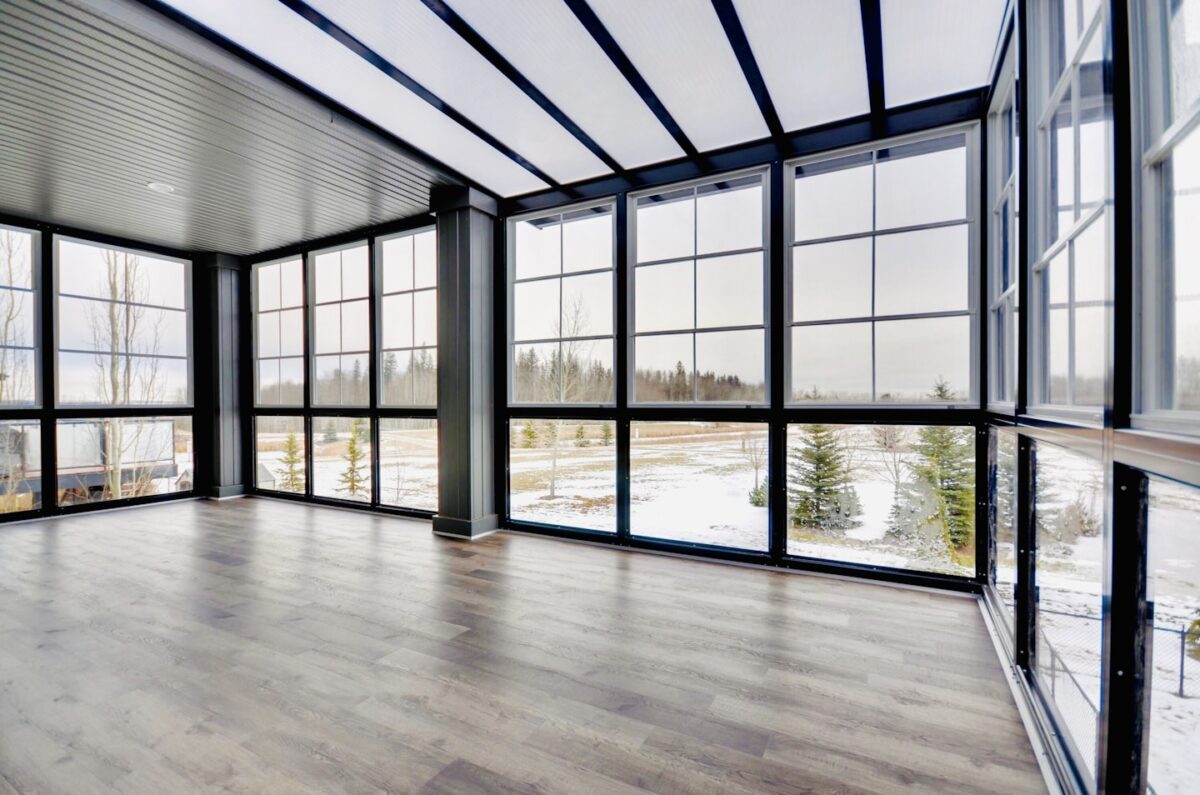
Check whether the space actually fits yoga work
Space selection is less about square footage than about friction. A studio can be “big enough” and still fail if it is noisy, hard to reset, or awkward for students to enter and leave without stress.
That is why yoga needs its own checklist. The right site supports silence, storage, access, and predictable arrivals. The wrong one turns every class into logistics.
Room shape, quiet, and storage
Think of the room as a movement space, not a retail shell. Long hallways waste mats. Columns break sightlines. Thin walls make restorative classes harder to teach and harder to enjoy.
Storage matters more than most founders expect. If blocks, straps, and blankets live in the teaching area, each class starts with a mini setup and ends with a cleanup. Over a week, that is lost time, slower turnover, and more teacher frustration.
The room does not need to be fancy. It needs to be calm, easy to reset, and sized so students can move without bumping into each other. A lean space that supports the class flow is better than a polished space that steals time.
Parking, access, and class-hour fit
Yoga members are convenience-sensitive. If parking is awkward, the class starts late in people’s minds before it starts in the room. Early mornings and evenings are usually the first time slots to suffer when access is bad.
Think in travel behavior, not population density. A dense block with hard parking can underperform a quieter block with easier access. The wrong access pattern can reduce attendance by 10% to 20% even when local interest exists.
Build-out choices that change the budget
Every extra shower, extra office, and extra wall pushes the budget away from teaching and toward construction. That may be fine for a premium wellness concept. It is wasteful for a lean launch.
The most expensive mistake is building for a future you have not validated. A studio that keeps plumbing simple, build-out limited, and layout flexible can open months sooner and with less debt.
Define the concept before you set the price
A generic yoga studio is weak positioning. “Yoga” is too broad to guide class mix, staffing, pricing, and marketing. The concept has to tell you who shows up, why they stay, and what they will pay for.
This is where leader articles often drift into mission language and stop there. That is not enough. The useful question is simpler: what does the concept force you to do on Tuesday evening that you would not do on Saturday morning?
General studio vs niche studio
A general studio tries to serve everyone. That sounds flexible, but it often weakens the offer. A niche studio is usually easier to explain and easier to remember because the promise is clear: prenatal, recovery, beginner-friendly, faith-based, Ashtanga, mobility, or corporate wellness.
Niche positioning can improve retention. People stay when the space feels built for them. A broad studio can still work, but it usually needs more traffic and tighter scheduling to do the same job.
What the concept changes in practice
The niche changes class length, teacher profile, room setup, and even the language on the wall. A beginner studio needs more intro classes and fewer advanced flows. A recovery-oriented studio may need softer sequencing, quieter music, and better intake rules.
It also changes the money mix. A specialty studio often earns more from private sessions, workshops, and small groups than from pure memberships. If the concept is specific, the revenue model should be specific too.
That is the difference between a studio that looks branded and a studio that actually fits the local demand pattern. One is decoration; the other is operating logic.
Build the opening schedule around real demand
Class timing is a launch variable, not an afterthought. A schedule that looks balanced on paper can still miss the way people in your area move through the day.
One common mistake is opening with too many class types and too few proof points. That creates choice without evidence. It also makes the first month harder to read because you cannot tell whether the weak point is the class, the time, or the teacher.
How to test class times before opening
Talk to 10 to 15 potential students and ask for the exact times they would attend. Do not ask if they “like yoga.” Ask what day, what hour, what commute pattern, and what class length makes attendance realistic.
Then test the top three time blocks before a long lease, or immediately after a soft opening. If one slot repeatedly misses 40% occupancy, the problem is probably timing before branding.
A simple two-week test is enough to reveal a lot: run three classes at three different times, track fill rate, and compare no-show patterns. The point is not perfection. The point is to stop guessing with rent on the line.
If you want the broader promotion layer after the schedule is validated, the guide on fitness business marketing is the better next step. Marketing works far better after you know which class times and offers deserve attention.
What a weak launch schedule looks like
Weak schedules often mirror the founder’s availability instead of student behavior. That is how studios end up full at noon and empty at 6:30 a.m., even when the local audience says it wants more access.
The fix is usually not more classes. It is fewer, better-placed classes. A clear schedule can improve occupancy faster than a wider timetable filled with guesses.
Map the money model for a small yoga studio
Memberships alone rarely carry a small yoga studio. The strongest early models mix recurring revenue with one-off offers and higher-margin services.
The exact mix depends on the concept and location, but the logic stays the same: one layer should fill the room, another should deepen revenue per student, and a third should protect you when attendance dips.
Memberships and class packs
Memberships work best when the student base is local and repeat-driven. Class packs fit buyers who want flexibility. Many studios need both because not every student behaves the same way.
The risk is simple. If your only offer is a membership, you may lose occasional students. If your only offer is drop-in pricing, you may never stabilize monthly cash flow.
Private sessions, workshops, rentals, and digital add-ons
Private sessions usually carry better margins than group classes. Workshops can create weekend revenue. Space rentals can monetize off-hours. Recordings and online classes can extend the studio beyond the walls.
This is where a system like Scrile Stream becomes relevant for studios that want a branded digital layer without building software from scratch. It matters most when you want to sell live sessions, group classes, or recordings under your own domain rather than through a marketplace.
That said, the digital layer is not mandatory at launch. If the first 90 days are still about proving the room, do not overload the setup too early.
Revenue mix that keeps a small studio alive
A healthy early mix often looks like 50% recurring class revenue, 20% private or specialty sessions, 20% workshops or intensives, and 10% rental or ancillary income. The exact split will vary, but a single-stream model is fragile.
When teams broaden revenue this way, they stop depending on every class being full. That reduces the pressure to overbook the schedule just to cover rent.
Common mistakes when opening a yoga studio
The most damaging mistakes are usually not dramatic. They are small assumptions that compound into fixed cost and weak retention.
Count on the wrong model, and every later choice gets harder. Lease, staffing, schedule, and pricing all inherit the original mistake.
Oversized lease and overbuilt amenities
Extra showers, unused offices, and wide hallways look harmless until the monthly bill lands. A studio can spend 20% to 40% more than necessary on space it does not use for classes.
That is why build-out restraint matters. The room should support teaching first and amenities second. If the concept is premium, the premium should be visible in experience, not only in construction cost.
Treating the first schedule as final
Many founders open with a schedule they never tested. Then the first month becomes a defense of weak time slots instead of a quick adjustment to better ones.
The better habit is to treat the opening schedule as a live experiment. Cut or move weak slots in weeks, not quarters.
Skipping venue-specific legal checks
Different venues carry different risks. A dedicated studio has lease, occupancy, insurance, and build-out exposure. A shared room needs clear sublease terms, access rules, and insurance language. A park, church hall, or corporate site may need permits or a separate venue agreement.
Forming an LLC is useful, but it does not replace contract review. A lawyer or broker can cost a few thousand dollars. A bad lease, a missing permit, or a poorly written cancellation clause can cost far more once the business is already committed.
For the broader monetization path after launch, the sister article on how to make money in the fitness industry is the right follow-up. It helps once the studio format is set and the next question becomes revenue depth, not basic feasibility.
5 checks before you sign anything
Do not wait for the perfect studio. Validate the smallest workable version first. A week of focused checking can save months of recoverable mistakes.
Use these five checks as decision gates before you commit to a room, a sublease, or a long-term contract.
- Interview 5 local prospects about exact class times and pricing comfort so you know whether demand is real.
- Test 3 time slots over 2 weeks and keep only the ones that reach at least 60% average fill.
- Compare 3 venue types, dedicated, shared, and nontraditional, before choosing a lease.
- Have 1 attorney or broker review the contract if you are taking on fixed space risk.
- Model 90 days of runway, not just launch week, so you know when the business turns stressful.
If the room, the time slots, and the contract all look workable, you are ready for the next layer. If any one of them still looks vague, keep testing. Yoga businesses fail fastest when they confuse enthusiasm with proof.
Where Scrile Stream fits this picture
For yoga operators, the real challenge is often not launching one more class. It is avoiding total dependence on one room. That is where Scrile Stream fits: it gives fitness and wellness businesses a branded way to sell live sessions, group classes, subscriptions, and recordings under their own domain. A founder who starts small and later adds online teaching or private coaching can keep the offer in one branded place instead of spreading it across a marketplace and a separate website.
Fitness business marketing strategies | Scrile Guide
Ready to build the setup behind this?
If this is the operating problem you need to solve, use the product page as the next step. It shows where build your setup fits and what the platform covers beyond a single payment widget.
Frequently asked questions
When does a dedicated yoga studio not make sense?
When repeat attendance is not proven, when rent will swallow too much of the margin, or when your audience is niche enough to teach in another venue. Shared space is usually the safer test before a long lease.
What is the biggest risk if I sign a lease too early?
Fixed cost becomes the first business problem. If attendance is still unproven, a lease can turn a marketing issue into a cash-flow problem within 60 to 90 days.
How do I know when to move from shared space to my own studio?
Move when your core class times are consistently full, your audience is local and repeatable, and you can forecast enough weekly revenue to cover rent, utilities, and a buffer. If those numbers still move around, wait.
What happens if my first class schedule is wrong?
You will usually see low fill rates, uneven teacher utilization, and more cancellation churn. The fix is to cut weak time slots fast and relaunch with fewer, clearer classes.
Can I start a yoga business without a permanent studio?
Yes. Many founders begin in churches, co-working spaces, parks, recovery centers, or corporate offices. That lowers risk and lets demand prove itself before you sign anything long term.
What if I want both in-person and online yoga revenue?
Then design the model so the physical studio is not the only source of income. Add recordings, private video coaching, or subscription content only after the core class schedule is stable.
